
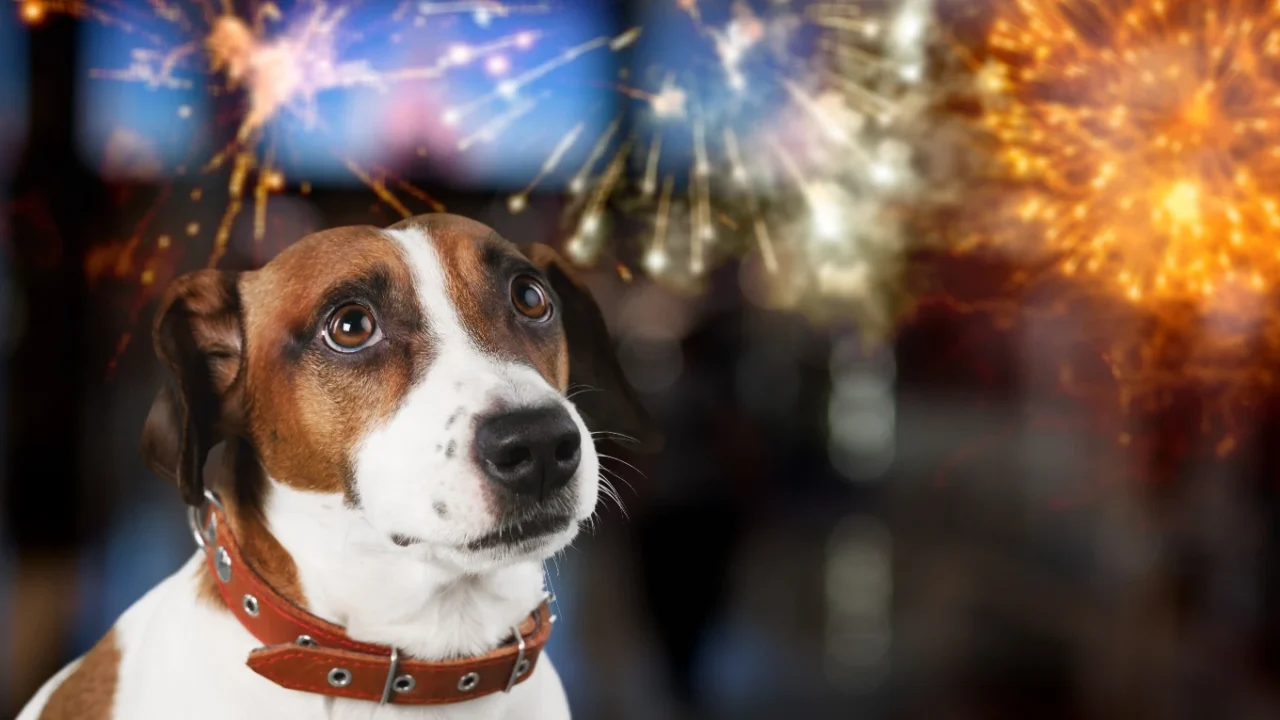

Bonfire Night: How to Keep Your Pet Calm and Safe
Bonfire Night is one of the most spectacular traditions in the UK — glowing skies, bursts of colour, and the scent of fire in the air. But while it’s a celebration for us, it’s often a night of fear for our pets.
According to the RSPCA, over 60% of dogs and 45% of cats experience significant distress during fireworks, and many show symptoms similar to a panic attack.
How Animals Perceive Fireworks
Humans hear within the range of 20 Hz to 20,000 Hz.
Dogs hear up to 65,000 Hz, and cats up to 85,000 Hz — meaning that what sounds “loud” to us can be painfully intense for them.
For comparison:
- Fireworks can reach 120–160 decibels — similar to a gunshot or a jet taking off.
- Sounds above 85 dB can cause hearing damage in humans after prolonged exposure.
- For animals, fireworks combine noise, vibration, chemical smell, and flashing light, triggering the instinctive “fight-or-flight” response.
The sudden bursts of light reflecting in windows and walls are confusing — unlike thunder, fireworks have no natural pattern or warning. That’s why many pets shake, hide, pant, or run for safety when the sky lights up.
How to Prepare and Protect Your Pet
1. Start early
Create a safe space at home a few days in advance — a quiet corner with their blanket, toys, and your scent. Play soft classical music or white noise to mask sharp sounds.
For extra comfort, explore our non-toxic toys and cosy blankets designed to help anxious pets feel safe and grounded. These simple comforts, combined with your calm presence, can make a world of difference during fireworks season.
2. Close curtains and keep lights on
Steady indoor lighting helps neutralise the flash effect. Heavy curtains can reduce both noise and visual stress.
3. Stay calm yourself
Animals mirror our emotions. Avoid overreacting or showing worry — your calm behaviour reassures them that everything is under control.
4. Walk dogs before dark
Go out earlier than usual (before 5 p.m.). Always use a secure harness and ID tag — each year, hundreds of dogs run away during Bonfire Night in panic.
Make sure your gear fits comfortably and is escape-proof. For extra safety and peace of mind, explore our quality collars and durable leads, designed to combine comfort, style and reliability even in stressful situations.
5. Consider natural calming support
Pheromone diffusers or natural supplements containing tryptophan, chamomile, or L-theanine can help ease anxiety. Consult your vet for the most suitable option.
Phospholipid-based supplements, like our Nordic Labs for Animals formula, help support the nervous system during stressful events such as fireworks. Their natural lipid compounds contribute to cellular protection and recovery after intense stress.
6. Never punish fear
Your pet isn’t “misbehaving” — it’s reacting to real sensory overload. Offer comfort, touch, and routine instead of correction.
Key Facts and Insights
- Around 45% of UK dog owners report their pets suffer during fireworks.
- Reports of lost pets rise by nearly 30% each November.
- Research shows dogs’ cortisol levels can increase by up to 400% within minutes of exposure to fireworks.
- Sensitive breeds include Border Collies, Whippets, Greyhounds, and Cocker Spaniels.
- Cats often appear quieter — but their stress lasts longer, sometimes causing appetite loss or litter box avoidance.
For Responsible Pet Guardians
Bonfire Night can still be beautiful — as long as we remember those who hear it differently.
Preparation, empathy, and awareness make all the difference.
If you want to help your pet feel safe and balanced, visit our Calming & Wellbeing collection — a curated selection of trusted, science-backed products designed to support emotional stability and relaxation.
Take care before the fear begins.
Because true love for our animals means protecting their peace — not just their health.